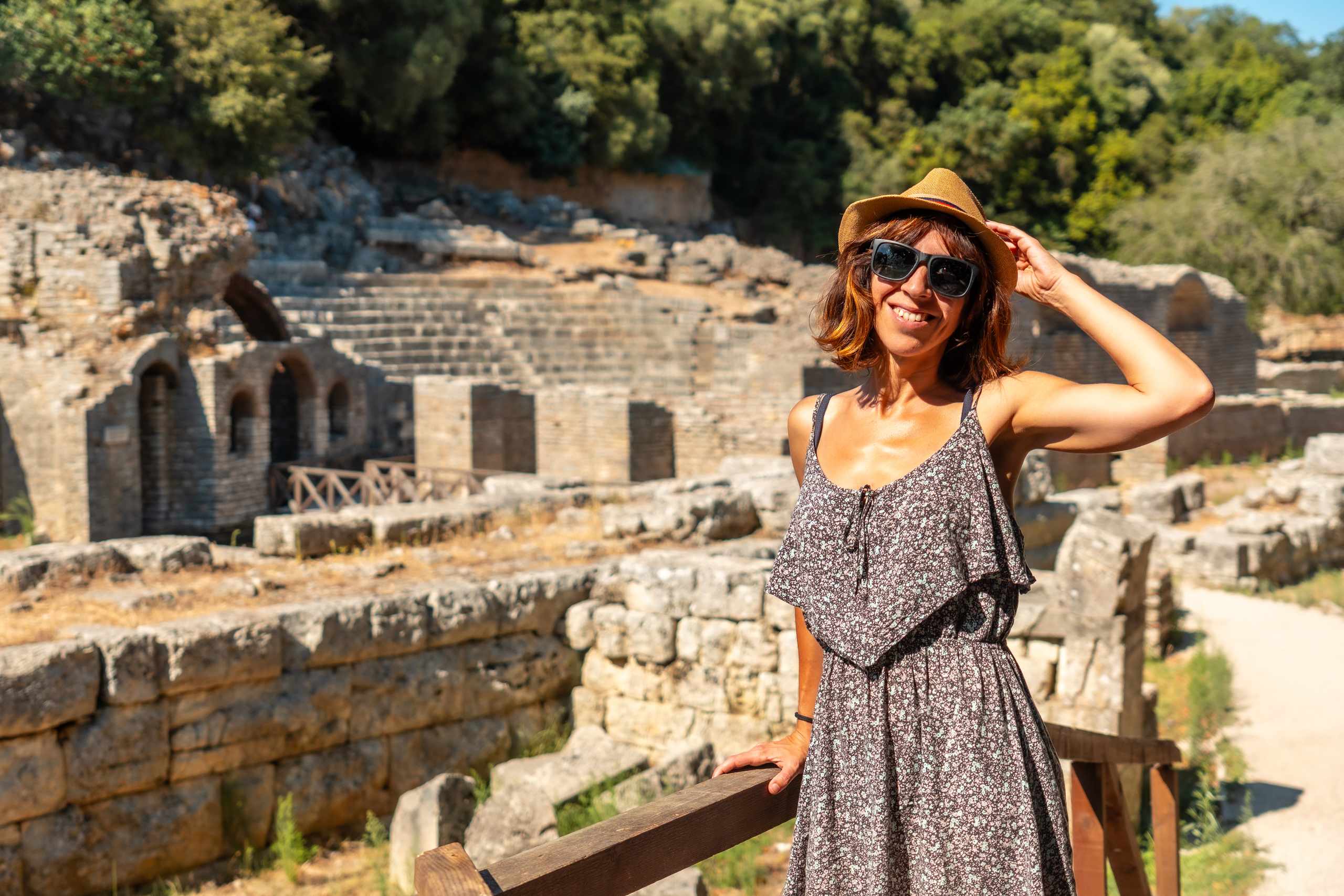
Ancient Greece, Step by Step
Follow the ancient Greek world through timelines, city-states, maps, wars, myths, sources, and daily civic life without turning the subject into a loose list of names.
Find The Historical Thread
Study periods, poleis, sources, wars, maps, and culture through practical beginner-friendly history work.

Timeline Order
Place Minoan, Mycenaean, Archaic, Classical, and Hellenistic history in a clear sequence before memorizing scattered dates.
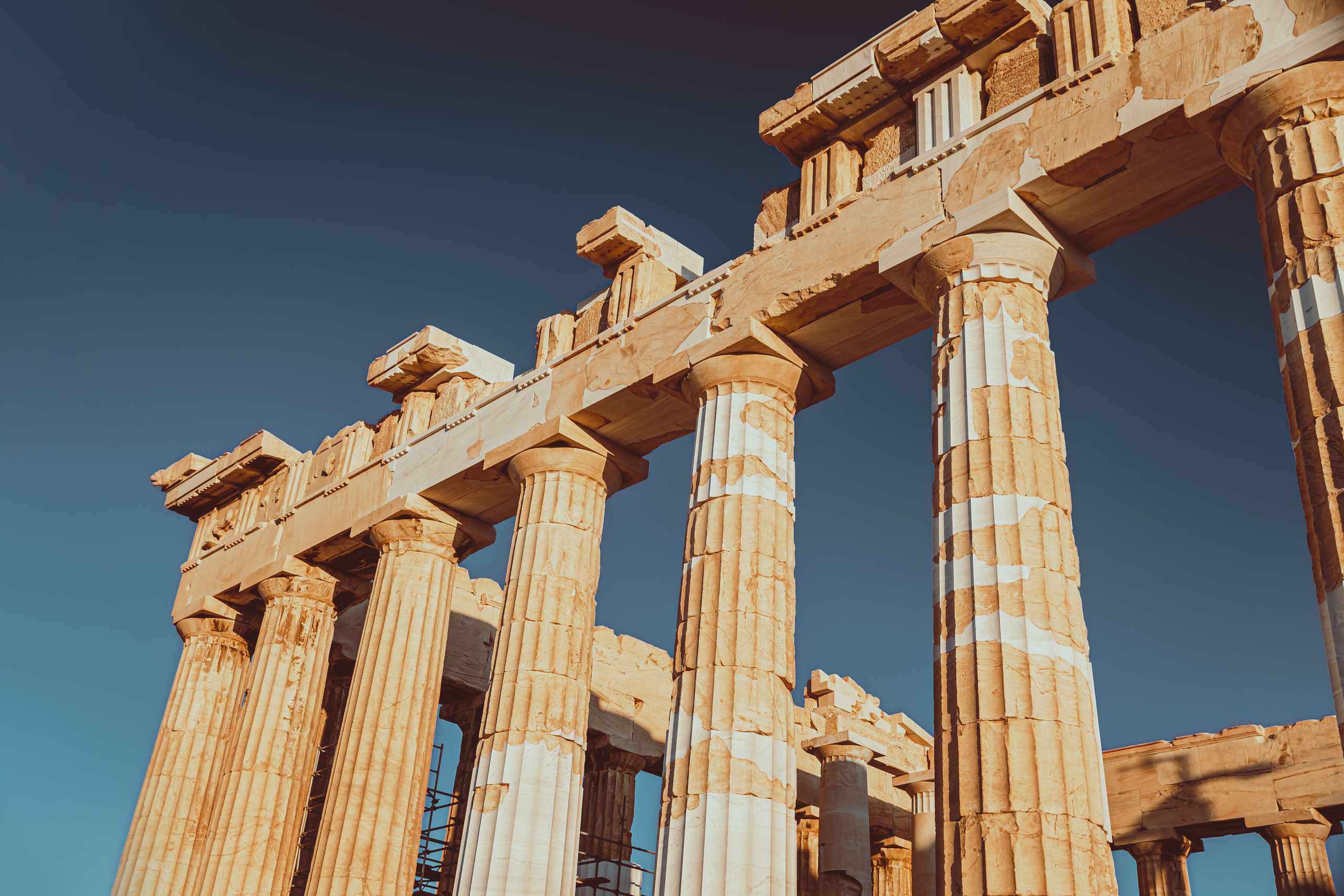
City-State Comparison
Compare Athens, Sparta, Corinth, and Thebes through citizenship, assemblies, military habits, trade, and political choices.
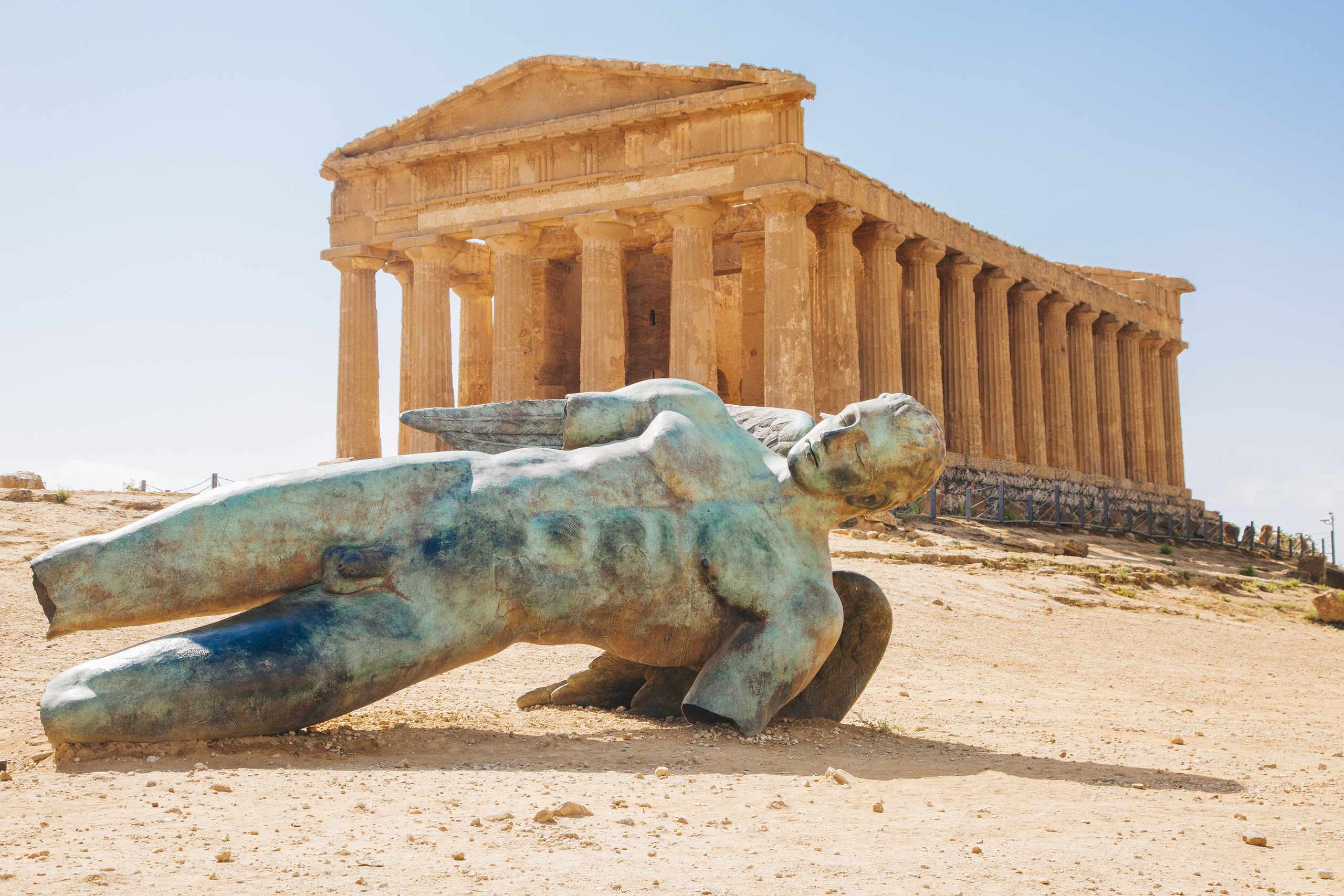
Source Reading
Read short translated passages with questions about author, audience, setting, claim, and possible source bias.
History You Can Organize
Mind Maps
Use the Aegean Sea, islands, colonies, and trade routes to understand why movement and geography shaped Greek history.
Myth And Evidence
Practice separating heroic stories, later retellings, clues, and written evidence without flattening them into one category.
Wars With Context
Follow the Persian Wars and Peloponnesian War through causes, alliances, turning points, leaders, and consequences.
Culture In Civic Life
Connect temples, theatre, philosophy, festivals, and public spaces to the political and religious life around them in each polis.
What Learners Notice
The timeline work helped me stop mixing up the Archaic, Classical, and Hellenistic periods. Famous names finally had a place.
I liked comparing Athens and Sparta with real questions about citizenship, war, and education instead of repeating simple stereotypes.
Reading short translated sources felt less intimidating once I knew to check the author, audience, claim, and viewpoint.
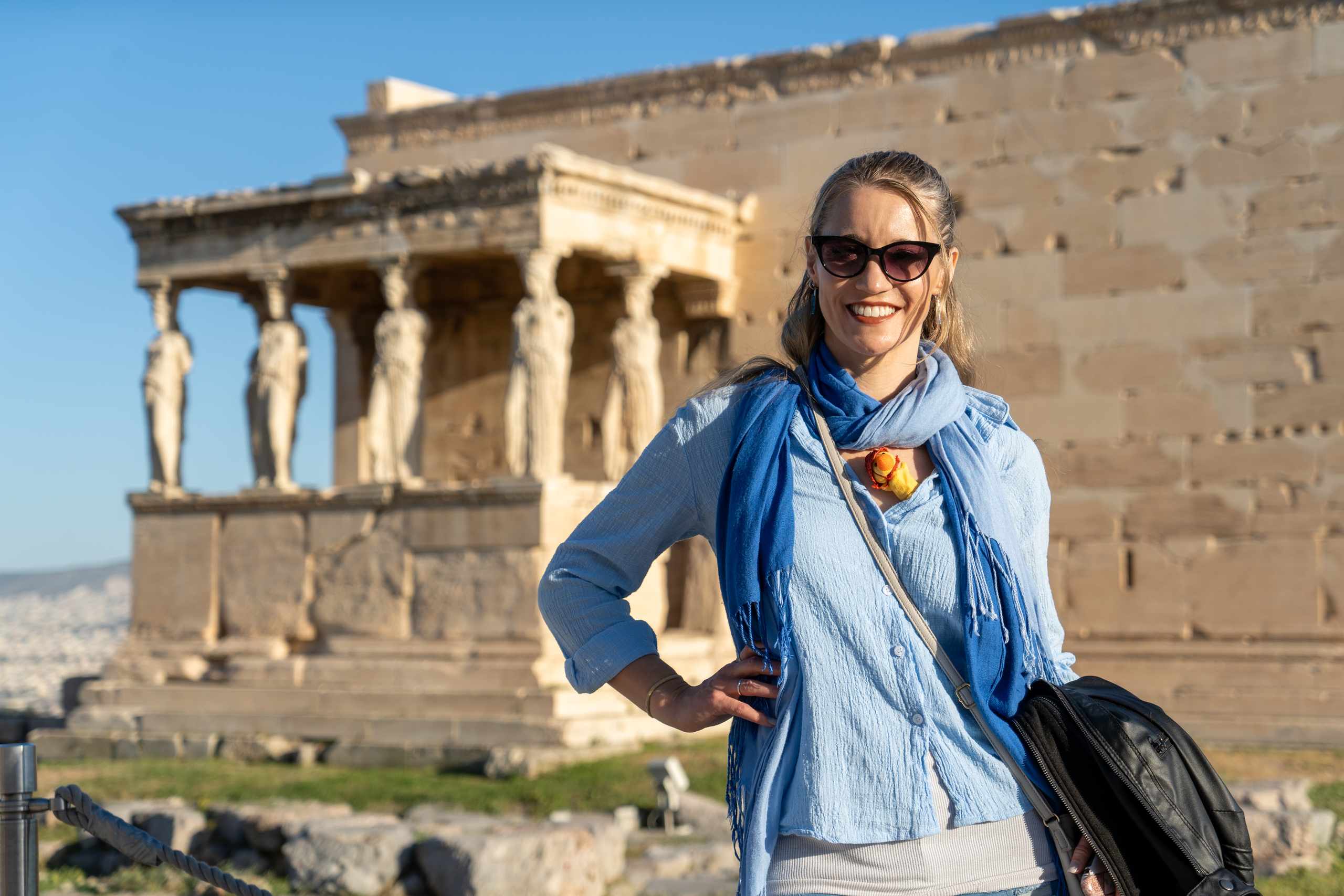
Keep Reading Ancient Greece
Use the study notes to review periods, maps, myths, sources, wars, and city-state life before your next history session.
Frequently Asked Questions
Do I need prior history knowledge?
No advanced background is expected. The course begins with orientation: period names, basic geography, major poleis, and the difference between myth, source, and later interpretation. You can build understanding before moving into wars, politics, and cultural life.
Is this mainly about mythology?
Myth appears because it mattered in Greek culture, religion, theatre, and identity, but the course focuses on history. Learners practice separating mythic tradition from evidence, context, and historical explanation.
Will I read ancient sources?
Yes, in short translated excerpts. The focus is not on original Greek language study, but on reading carefully: who wrote the passage, what claim it makes, what setting it describes, and what bias may be present.
How are maps used?
Maps are treated as study tools. You label Athens, Sparta, Ionia, Crete, Macedonia, the Aegean Sea, colonies, and routes so battles, alliances, trade, and cultural exchange become easier to follow.